By: Nathan Paggeot, Master Plumbing Contractor (MI License #8004990) & CEO of NSP Plumbing
March 6, 2026
Michigan has long been at the forefront of drinking water safety. From the fallout of the Flint crisis to becoming one of the first states to regulate "forever chemicals," the state continues to tighten protections under the Michigan Safe Drinking Water Act (Act 399 of 1976).
For property owners, school administrators, and facility managers across Grand Rapids and West Michigan, these changes carry real, practical implications. New PFAS limits, lead pipe replacement mandates, and filtration requirements for schools could all mean plumbing upgrades, inspections, or system changes in the months ahead.
This guide breaks down the three biggest regulatory shifts and what you can do right now to protect your water supply and stay compliant.
1. Stricter PFAS Standards: Michigan Moving Toward 4 Parts Per Trillion
PFAS (per- and polyfluoroalkyl substances) are synthetic chemicals found in everything from nonstick cookware to firefighting foam. They're called "forever chemicals" because they don't break down naturally, and mounting research links them to serious health effects including cancer, thyroid disease, and immune system suppression.
Where Michigan Stands Today
In 2020, the Michigan Department of Environment, Great Lakes, and Energy (EGLE) established maximum contaminant levels (MCLs) for seven PFAS compounds—among the first state-level standards in the nation. Current limits include:
- PFOA: Current MCL 8 ppt, anticipated standard 4 ppt
- PFOS: Current MCL 16 ppt, anticipated standard 4 ppt
- PFNA: Current MCL 6 ppt, under review
- PFHxS: Current MCL 51 ppt, under review
ppt = parts per trillion. Source: Michigan EGLE, EPA NPDWR (April 2024)
What's Changing
In April 2024, the U.S. EPA finalized a National Primary Drinking Water Regulation setting MCLs as low as 4 ppt for PFOA and PFOS. Because Michigan enforces the federal Safe Drinking Water Act through delegated authority, state limits must be at least as strict as federal limits. EGLE has indicated it intends to update Michigan's MCLs on or before 2026, bringing them in line with—or below—the 4 ppt federal threshold.
To put that number in perspective: 4 parts per trillion is equivalent to about four drops of water in 20 Olympic-sized swimming pools. Even trace contamination matters.
What This Means for Property Owners
Approximately 2,700 public water supplies in Michigan and an additional 1.12 million households on private wells could be impacted. If you rely on a private well in the Grand Rapids area, your water is not routinely tested by the state. Proactive testing and professional filtration system installation are the best ways to protect your household.
2. "Filter First" Legislation: New Requirements for Schools and Childcare Centers
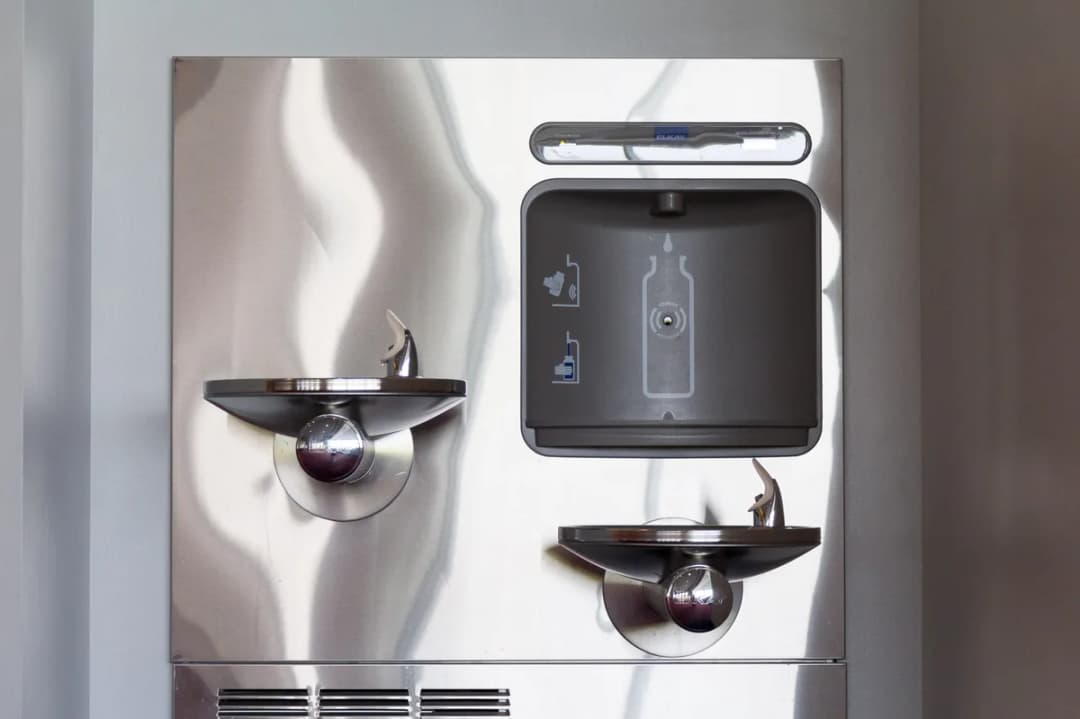
Governor Whitmer signed the Clean Drinking Water Access Act (2023 PA 154)—commonly known as "Filter First"—into law in October 2023. It represents a landmark shift from "test and chase" to "filter before exposure."
Who Must Comply
All K–12 public and private schools and licensed childcare centers in Michigan must:
- Develop a Drinking Water Management Plan (DWMP)—deadline was January 24, 2025
- Install NSF/ANSI 53 and 42 certified, lead-reducing point-of-use filters on every consumptive fixture
- Provide at least one filtered bottle-filling station per 100 students
- Conduct annual water testing (schools) or testing every two years (childcare centers)
- Post signage on any unfiltered or shut-off fixtures
Key Deadlines Still Ahead
| Deadline | Requirement |
|---|---|
| October 24, 2025 | Childcare centers must serve only filtered water |
| End of 2025–2026 school year | All K–12 schools must have approved filters on every consumptive fixture |
| Ongoing | Annual sampling (schools); biennial sampling (childcare) |
Michigan allocated $50 million in federal ARPA funding to reimburse schools and childcare centers for filter equipment and installation—but that funding is nearly exhausted. Facilities that haven't acted yet will need to budget for the cost independently.
What This Means for Schools and Childcare Facilities
Compliance requires a plumbing inventory of every consumptive fixture, proper filter installation and fixture evaluation, and ongoing testing. A licensed plumber can help you identify what needs upgrading, ensure proper installation, and advise on NSF-certified products that meet the law's requirements. If your facility is in the Grand Rapids or Wyoming, MI area, with our team.
3. Lead and Copper Rule: Michigan's 20-Year Pipe Replacement Mandate
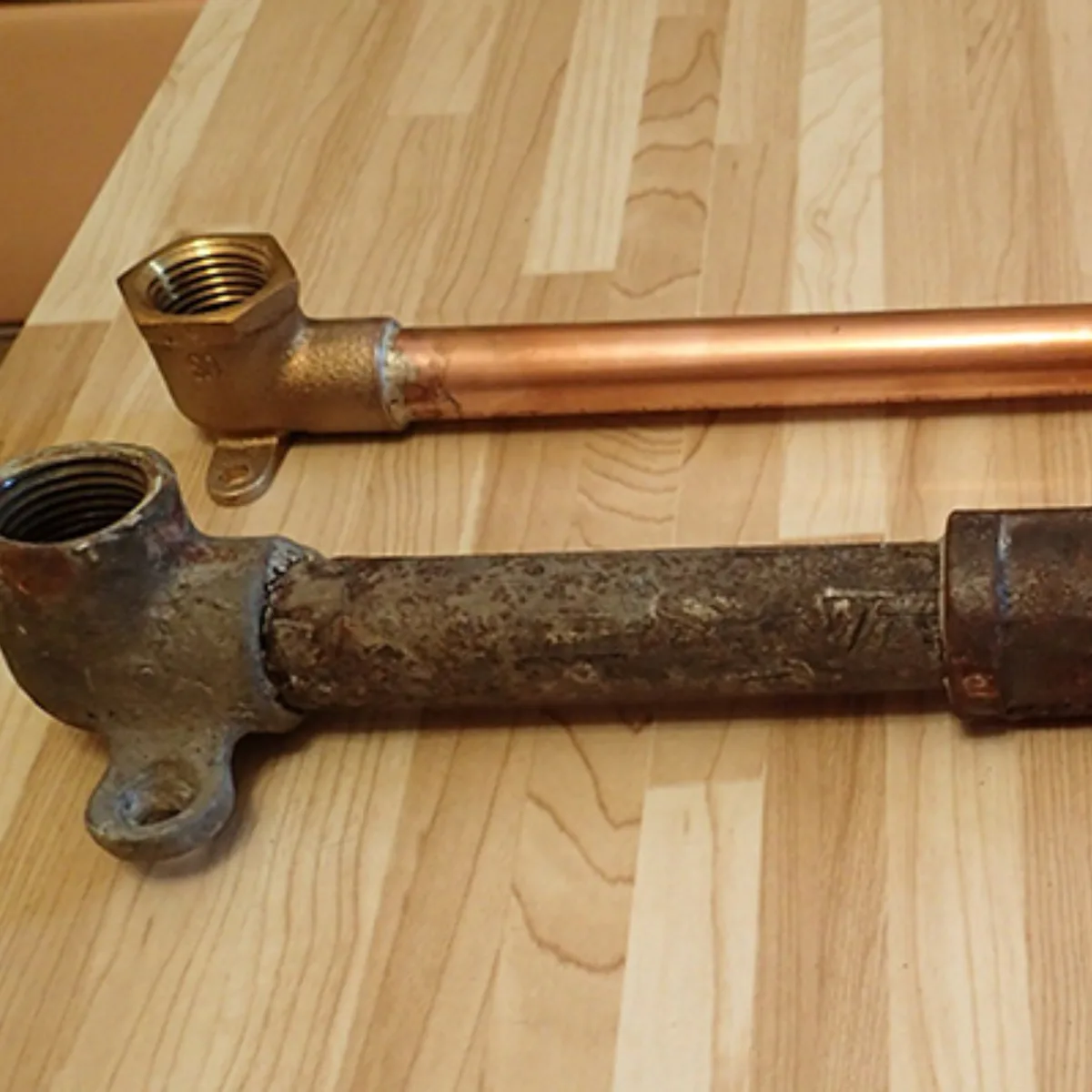
Michigan's Lead and Copper Rule (LCR) is among the most aggressive in the country. Under revisions that took effect in 2018, public water supplies must replace all lead and galvanized-previously-connected-to-lead (GPCL) service lines within 20 years—at the water supply's expense.
Progress So Far
Michigan has an estimated 580,030 lead and galvanized service lines statewide. From 2021 through 2024, about 69,891 lines—roughly 11%—have been replaced. Replacement numbers are accelerating year over year:
- 2021: 10,316 lines replaced
- 2022: 16,392 lines replaced
- 2023: 18,692 lines replaced
- 2024: 24,521 lines replaced
But hundreds of thousands of lines remain, and many communities—including some in the Grand Rapids metro area—still have large numbers of unknown-material service lines that must be inventoried and addressed. To find out if your water utility is replacing lead pipes, check with your local water system.
What Homeowners Should Know
While the public side of lead service line replacement is covered by the water utility, the plumbing inside your home is your responsibility. Older homes in Grand Rapids, Wyoming, and surrounding cities may still have:
- Lead solder joints on copper pipes (common in homes built before 1988)
- Galvanized steel pipes that can trap lead particles
- Brass fixtures containing lead alloys
- Unknown pipe materials behind walls or under slabs
If your utility replaces the public-side line but your internal plumbing still contains lead, you may still have contaminated water at the tap. A professional plumbing inspection can identify risk areas and recommend targeted upgrades.
How to Protect Your Property and Stay Compliant
Whether you're a homeowner on a private well, a property manager with aging infrastructure, or a school administrator facing Filter First deadlines, there are concrete steps you can take today:
For Homeowners
- Test your water. If you're on a private well, schedule independent PFAS and lead testing. Public water customers can request their utility's most recent Consumer Confidence Report.
- Inspect your plumbing. Have a licensed plumber evaluate pipe materials, check for lead solder joints, and assess fixtures. This is especially important for homes built before 1990.
- Consider whole-home filtration. Point-of-use or point-of-entry filtration systems certified to NSF/ANSI 53 can dramatically reduce lead and PFAS exposure.
- Replace aging pipes and fixtures. If galvanized steel or lead solder is present, a professional repipe or targeted repair is the most permanent solution.
For Schools and Childcare Centers
- Complete your DWMP if you haven't already, and document every consumptive fixture.
- Hire a licensed plumber to audit your building's plumbing inventory and install NSF-certified point-of-use filters.
- Budget for ongoing filter replacement and sampling—this is a recurring obligation, not a one-time fix.
For Property Managers and Commercial Facilities
- Audit pipe materials across your portfolio, particularly in older buildings.
- Review your liability exposure—tenants and customers increasingly expect verifiable water safety.
- Schedule a professional assessment to understand compliance gaps before regulations tighten further.
Frequently Asked Questions
No. Michigan's roughly 1.12 million private well households are not subject to MCL enforcement. However, the state strongly recommends testing, especially for PFAS, and a plumber can help install appropriate filtration if contaminants are found.
Schools and childcare centers that fail to install required filters and complete testing by their deadlines may face licensing implications and must provide public notification. The best course of action is to begin the compliance process now.
PFAS testing requires laboratory analysis, but a licensed plumber can collect samples following proper protocols (including the use of powderless nitrile gloves to avoid cross-contamination) and coordinate with certified labs. A plumber can also recommend and install filtration systems based on results.
Check where your water line enters the building. Lead pipes are typically dull gray and will leave a shiny silver scratch when gently scraped. Your water utility may also have service line material records. For a definitive answer, schedule a professional plumbing inspection.
While the $50 million Filter First funding was directed at schools and childcare centers, some Michigan communities offer assistance for lead service line replacement and water testing through local health departments. Check with your municipality for current programs.
Schedule Your Free Compliance Quote
Not sure if your plumbing system meets Michigan's current drinking water standards? NSP Plumbing's licensed professionals can evaluate your system, identify potential compliance issues, and provide a clear plan of action—at no cost and with no obligation.
Serving Grand Rapids, Wyoming, Kentwood, Ada, Jenison, Grandville, Hudsonville, Byron Center, Caledonia, Holland & beyond.
We're Here for Your Unique Plumbing Needs
NSP Plumbing offers a full range of residential and commercial plumbing services—available 24/7. From drain cleaning to water heater installs, we've got you covered.
Check Out Additional Services!